Our Mission
is to love, serve, and form disciples of Christ.



LATEST NEWS & EVENTS
Bishop's Pastoral Letter

24th Annual Salt and Light Awards Dinner

Kerygma Discipleship Retreat

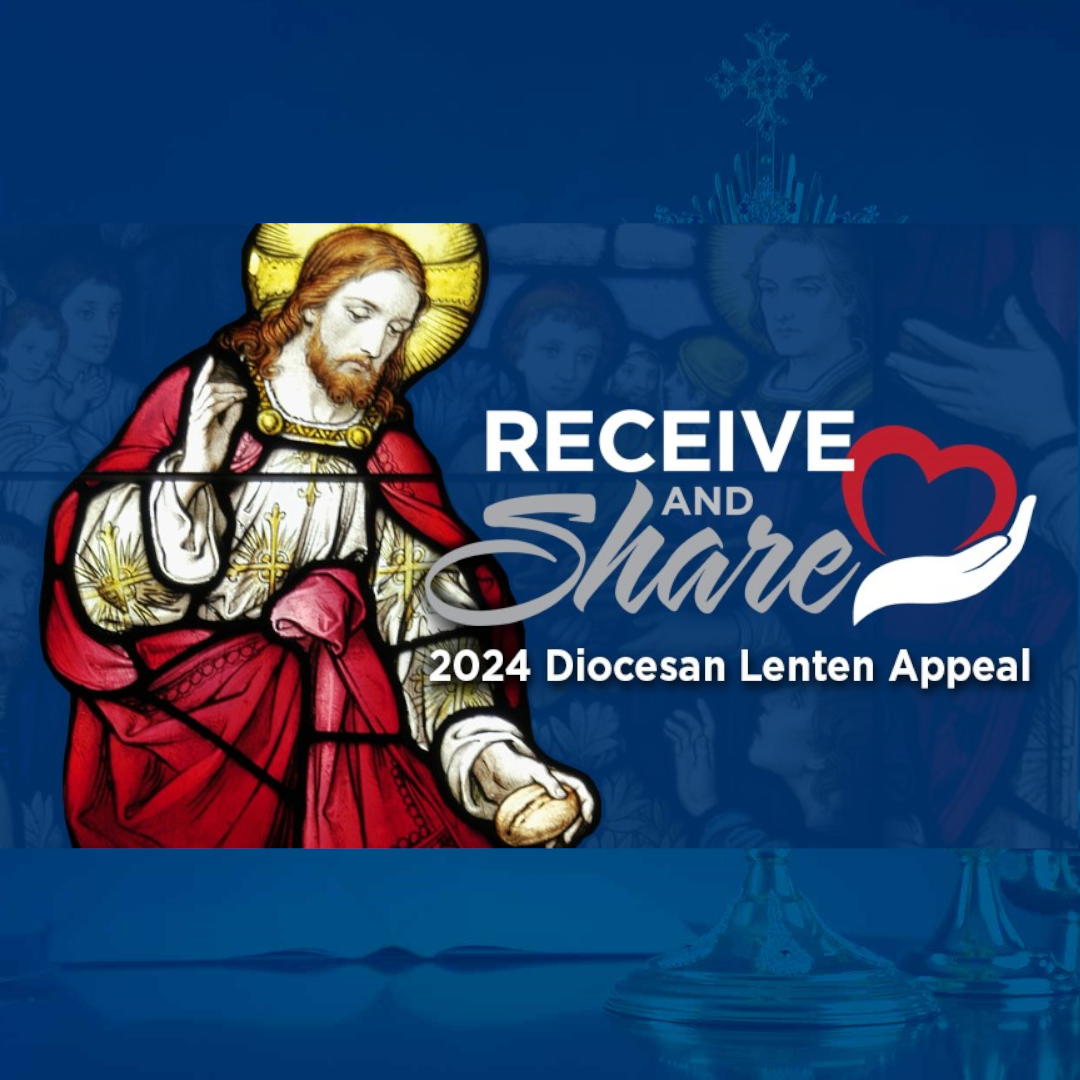
Diocesan Lenten Appeal
Renew & Refresh

June 8, 2024
Saint Barbara Catholic Church
2024 Summer Formation - The Art of Accompaniment

National Eucharistic Congress

July 17-21, 2024
Support Ukrainian Newcomers


WELCOME TO THE DIOCESE OF GREENSBURG
The Diocese of Greensburg is a communion of believers. We exist to serve our parishes and our priority is to help each one of them to be viable and filled with vitality.
Read Our Strategic Plan
Bishop Kulick appoints Vincent Reilly as Director of the Office of Faith, Family and Discipleship.
The Diocese of Greensburg has 78 parishes in Armstrong, Indiana, Fayette and Westmoreland Counties. Our parishes need you!
The Catholic Accent is now on air, online, and in print with quarterly newspapers and magazines!
Catholic Charities of the Diocese of Greensburg walks with those in need.
BISHOP LARRY J. KULICK
Sixth Bishop of the Diocese of Greensburg
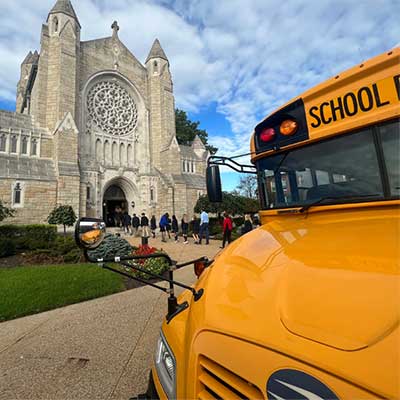
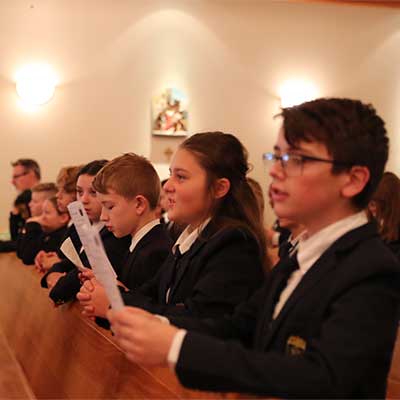
CATHOLIC SCHOOLS OF THE DIOCESE OF GREENSBURG
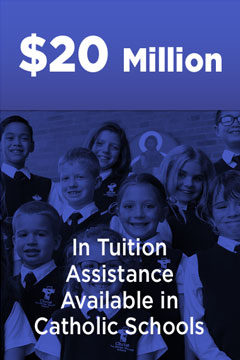
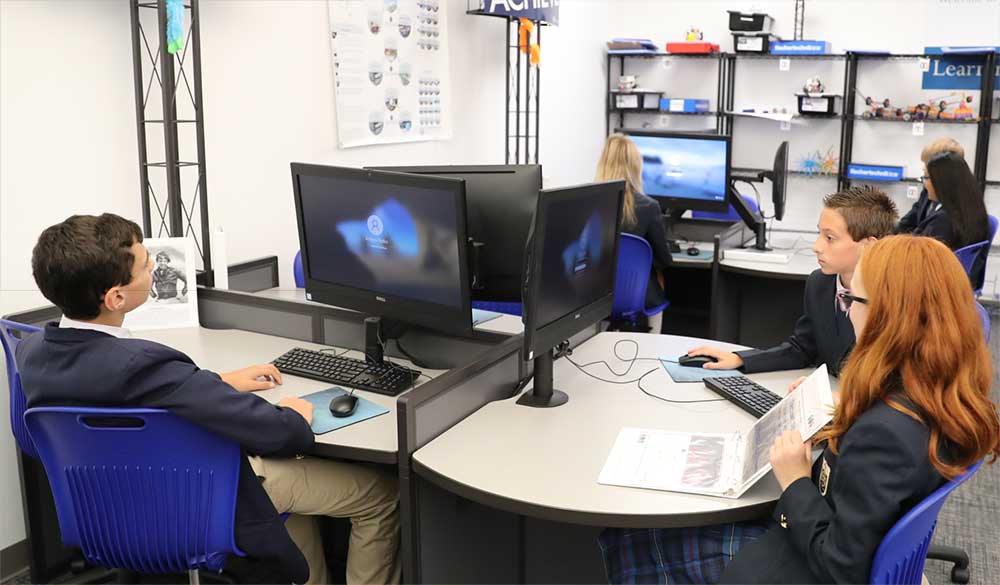
The St. Pope John Paul II Tuition Opportunity Partnership has made Catholic Education affordable to hundreds of families in The Diocese of Greensburg. In fact, our enrollment has increased 25% since 2019 thanks to $20 million in donations. Find a school near you, register for an open house, schedule a tour or apply now to become a TOP Student.

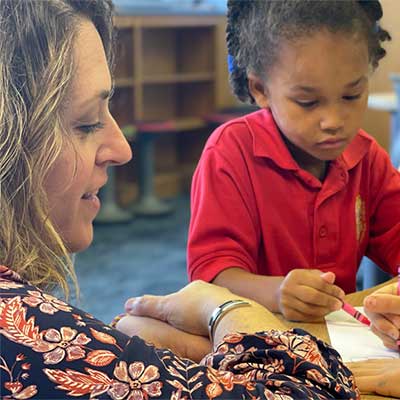

BECOMING CATHOLIC ALLOWS FAMILY TO BE ‘ONE WITH GOD’
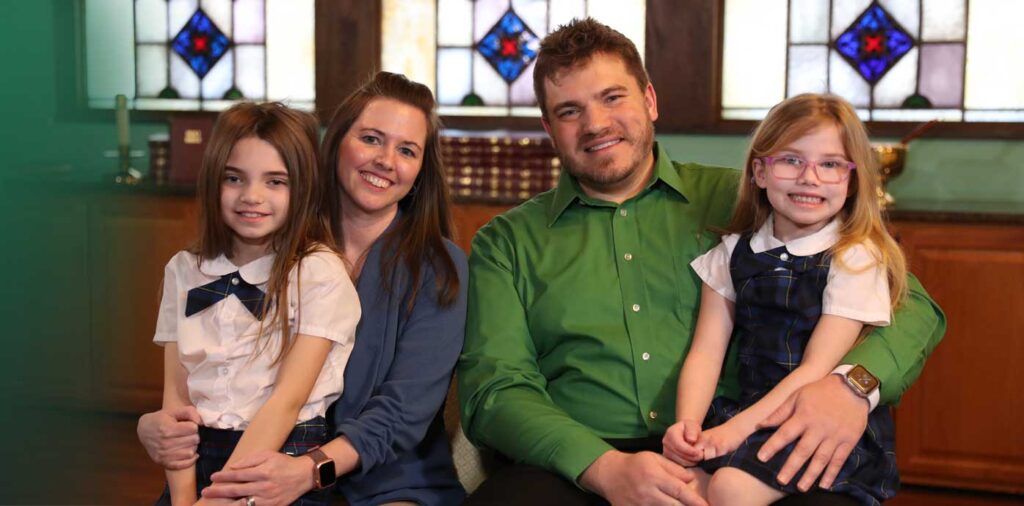
A Fayette County couple and their daughters dedicated more than half a year toward their calling to join the Catholic faith.